Saddleworth

Oldham, England

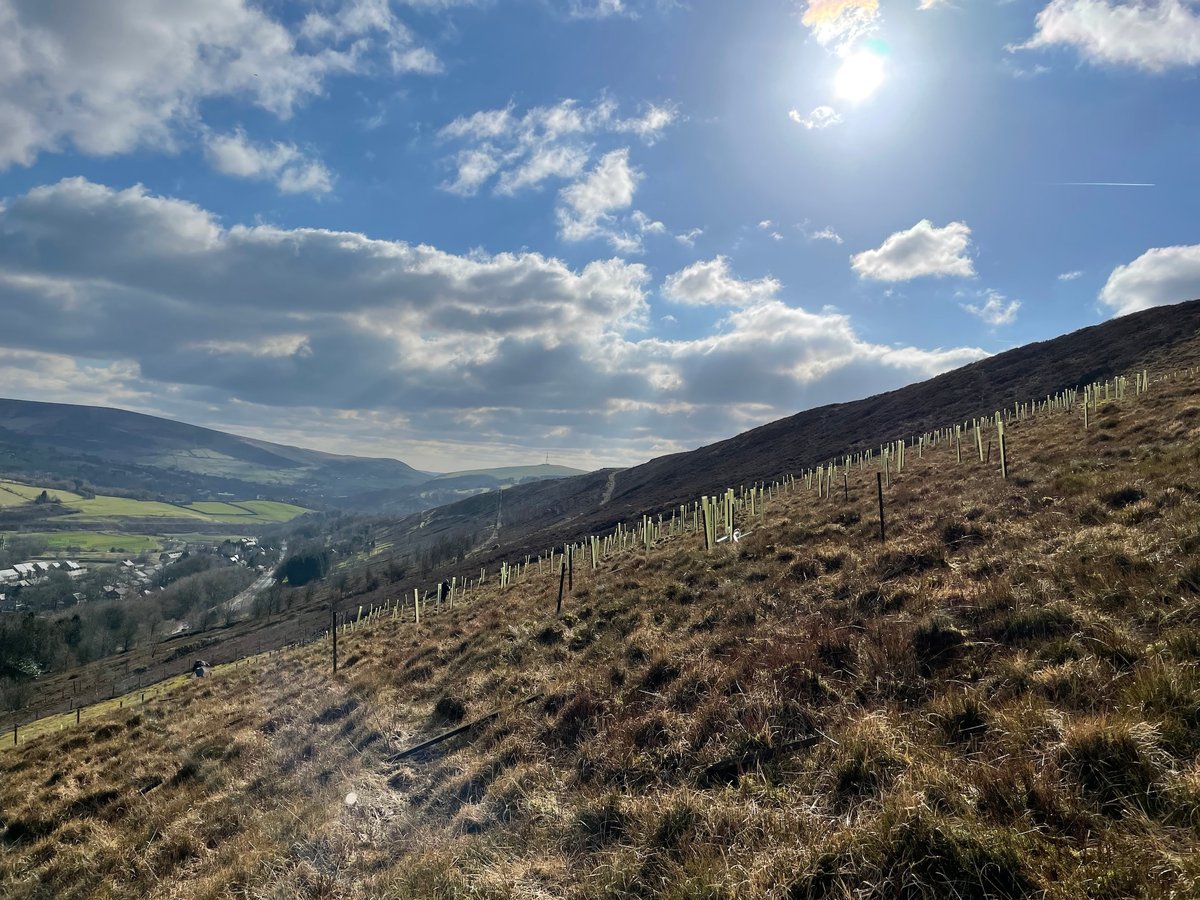
Landscape view of Saddleworth

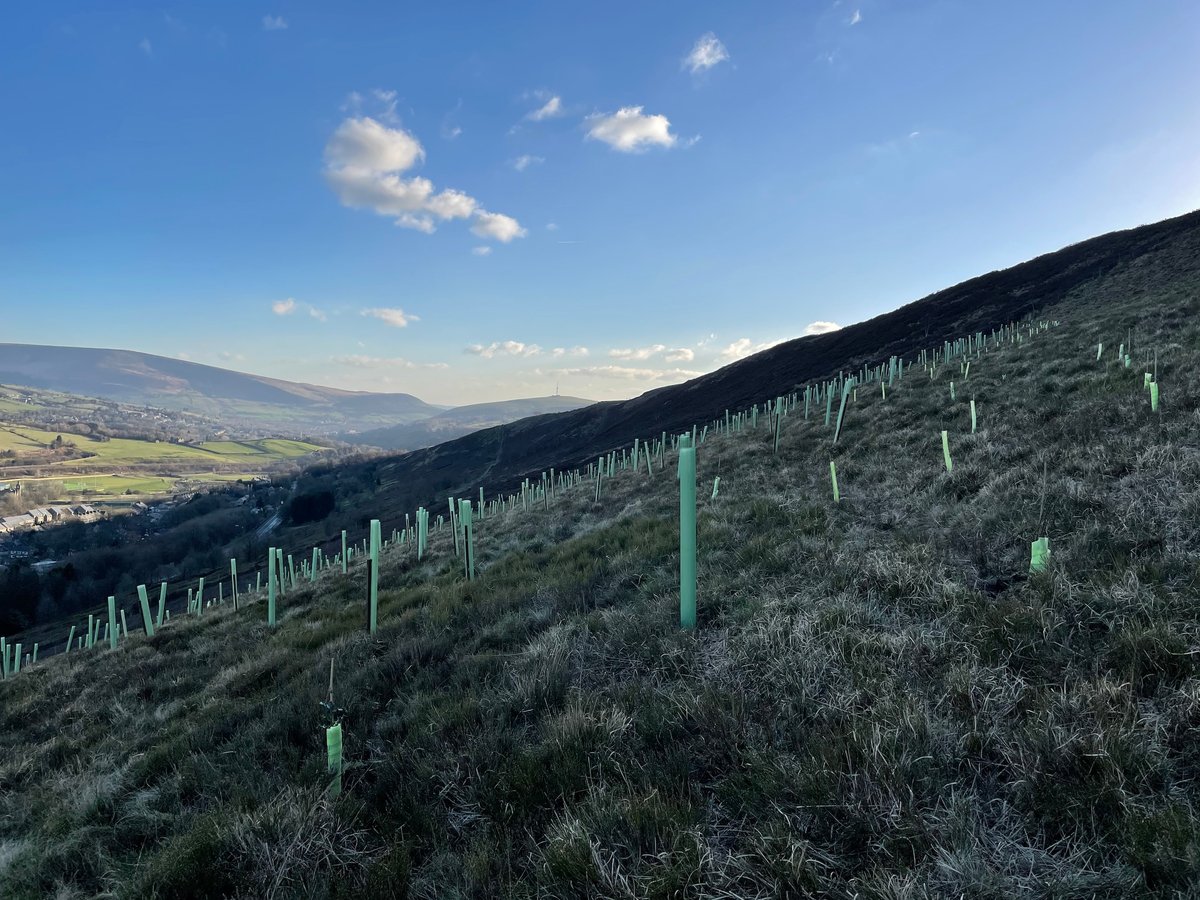
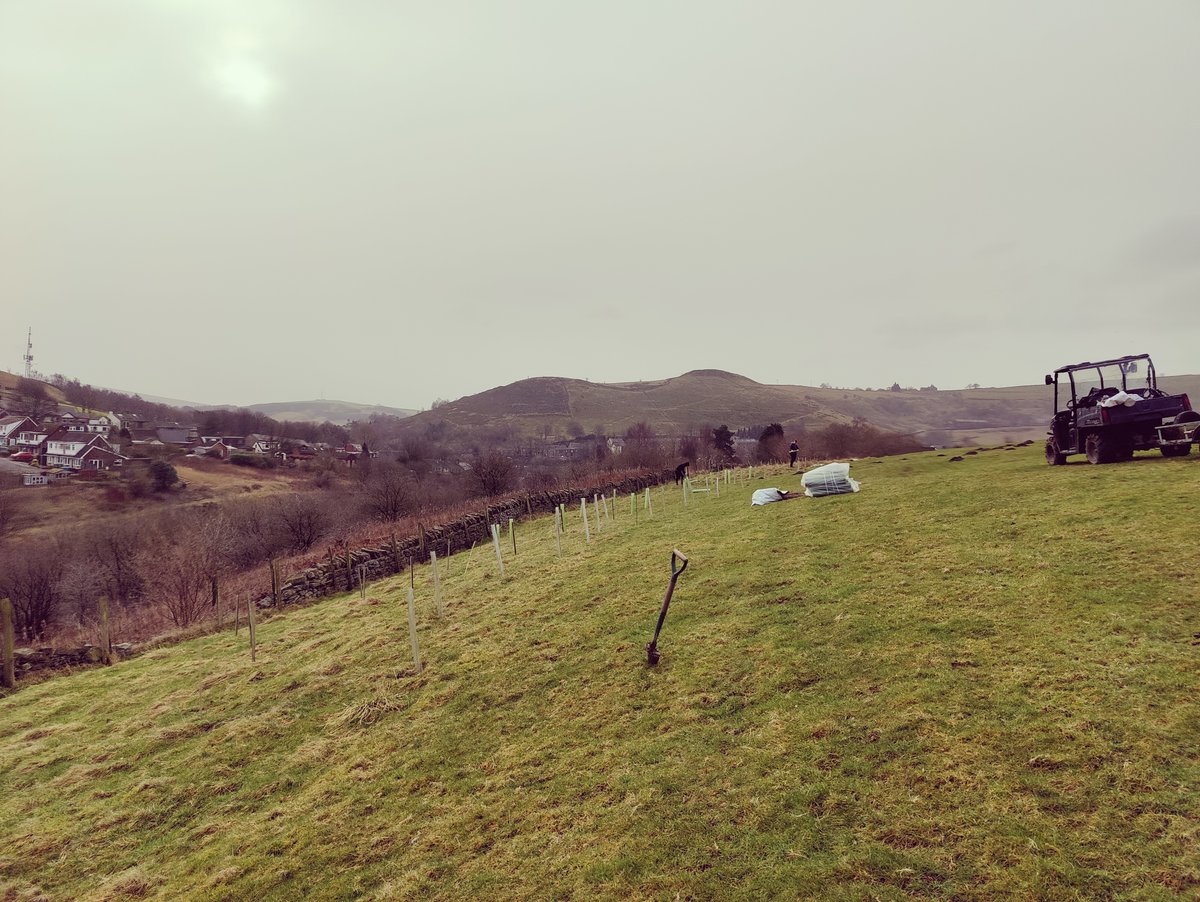
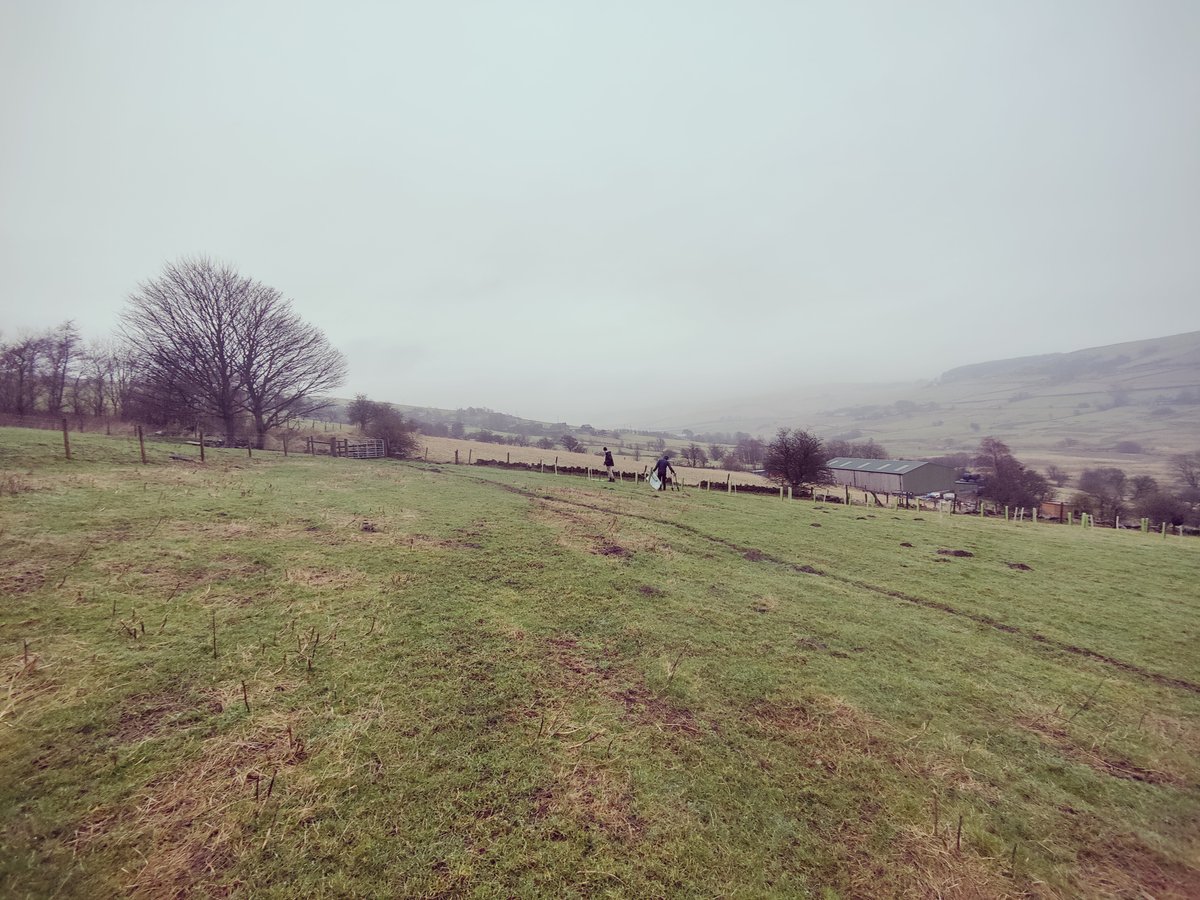
On two sides of a valley in the Peak District are the villages of Delph and Diggle, both with large windswpet farms that need some shelter and shade for their exposed livestock, both of which are now sporting young woodlands and hedgerows thanks to some of the most difficult planting we've done in a long time.

Site Updates

  • Tree Planting
  • 1,550 trees planted

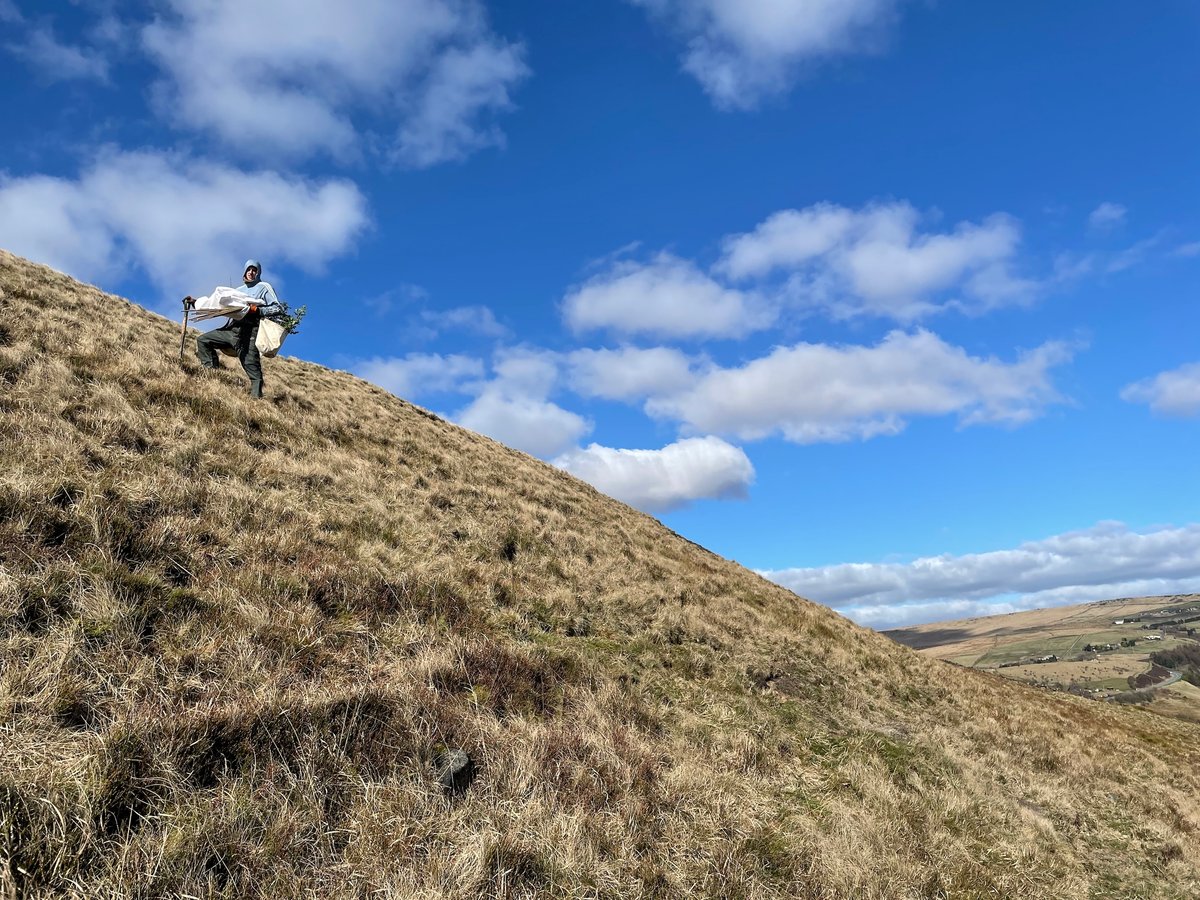
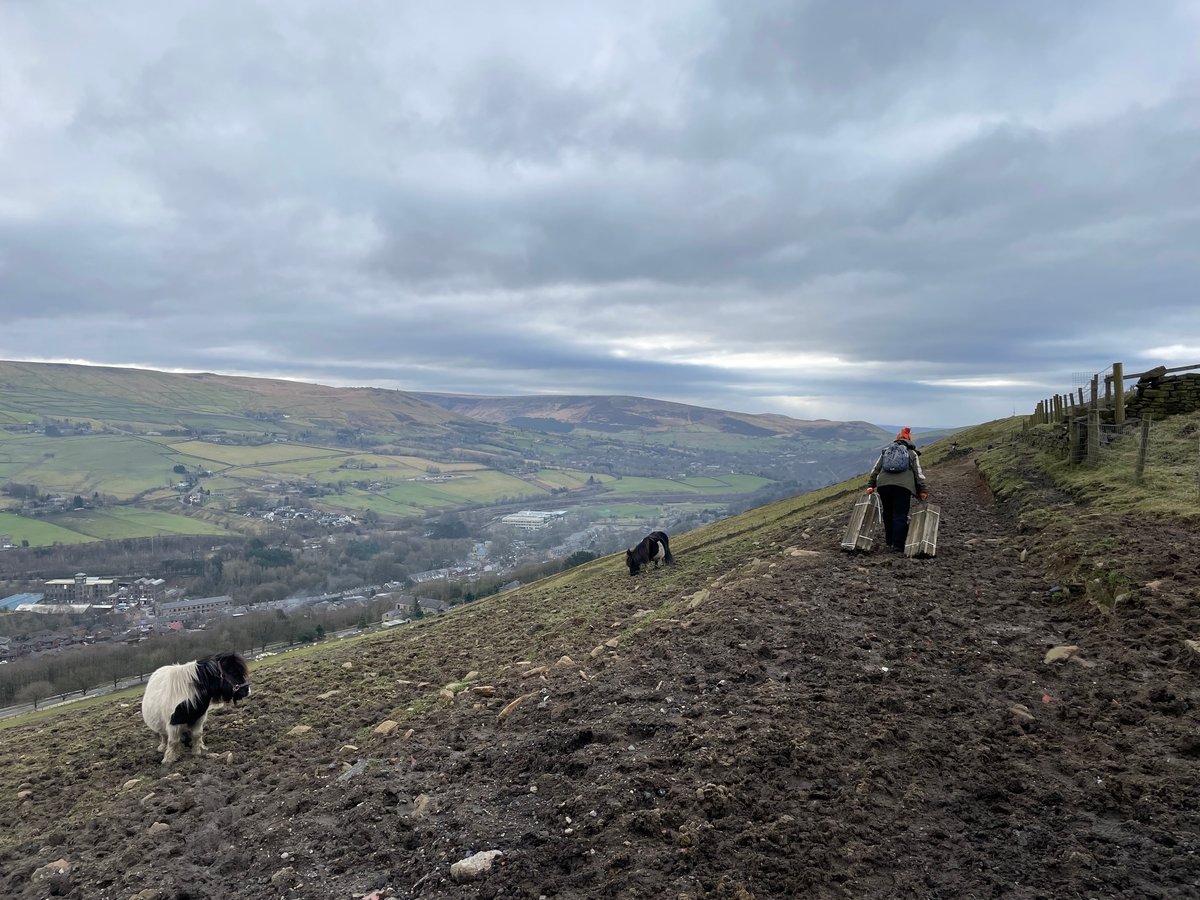
This was one of our more challenging tree planting events due to the steep sloping nature of the site. When working somewhere like this we have to take extra precautions to ensure the safety of the volunteers. However, the view was definitely worth it!

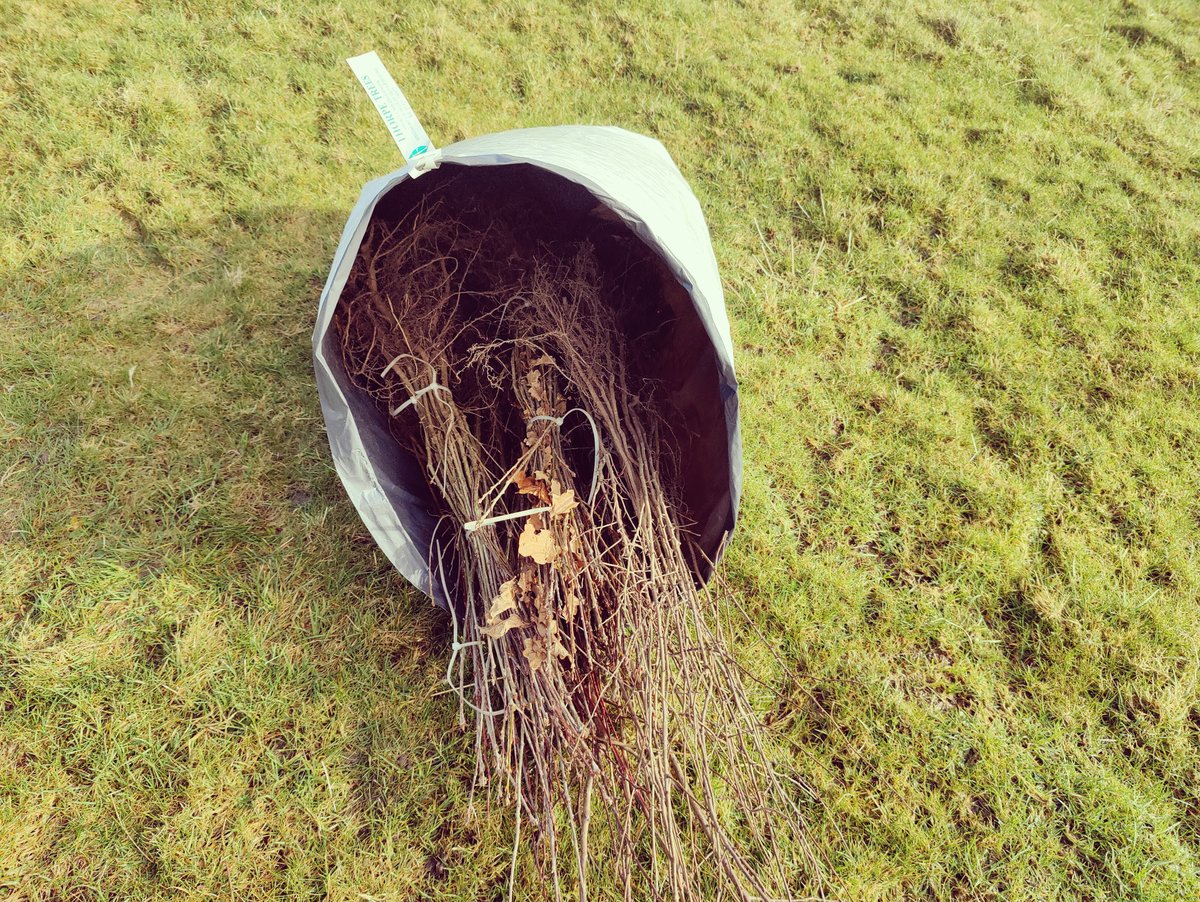
As usual, we planted an assortment of native broadleaved species, 1550 of them in this instance. Because they are small, bareroot whips they are relatively easy to plant. Steve showed the volunteers how to make a T-shape in the ground, drop in the sapling so that the roots are covered, then firm the soil back around it with their foot. After this a stake and guard were added to protect the young tree from the strong winds and nibbling wildlife.

After a beautiful clear first day, the second was overcast but we were lucky to escape the rain. Overall we had an excellent couple of days, with enough wonderful local volunteers to get the job done.
  • Hedge Planting
  • 3,000 trees planted

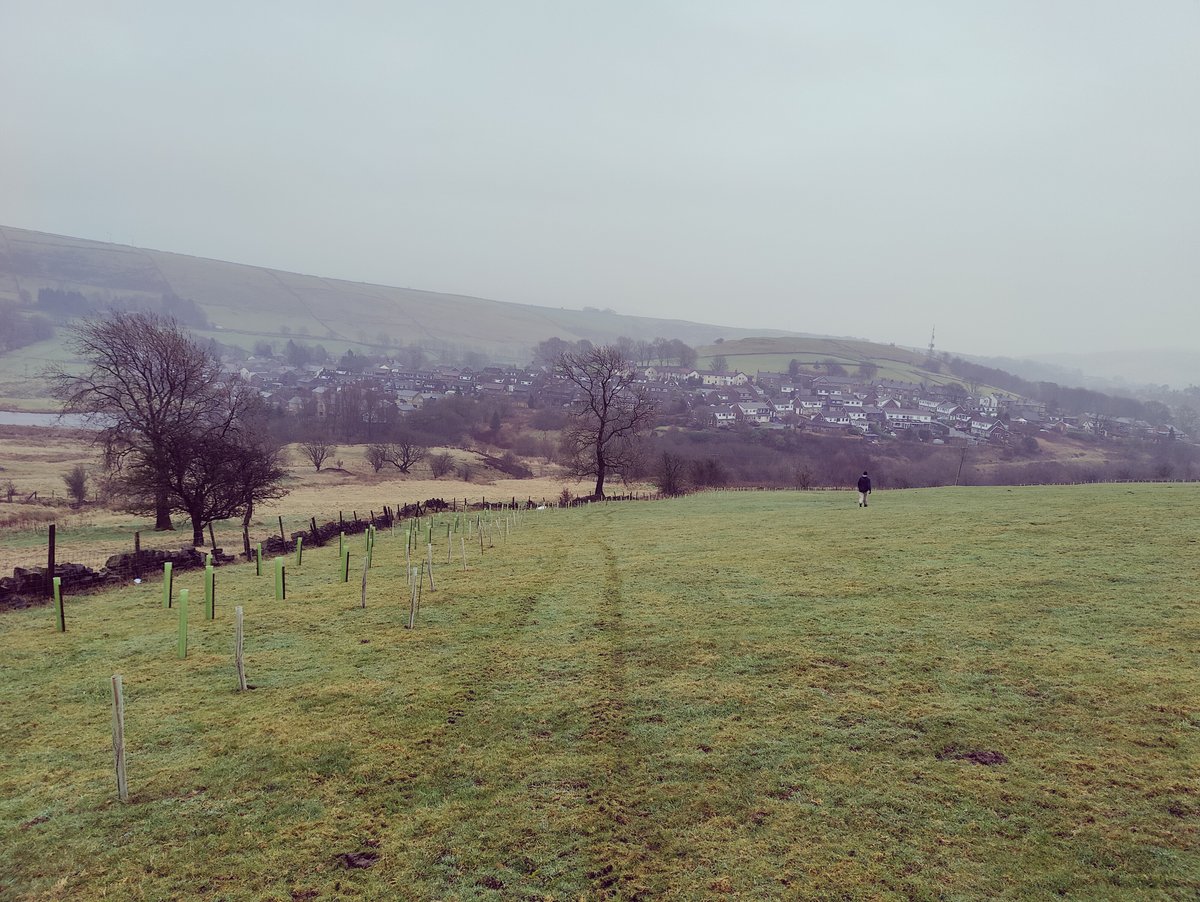
Once the shelterbelt had been planted here at Springmere, we moved on to planting 3000 mixed trees and shrubs to create a total of 600m of hedgerow to aid in increasing biodiversity in this very exposed spot.

We bought larger bare root whips than we normally do, to give them the best chance of survival.

  • Tree Planting
  • 2,000 trees planted

In February 2022 we spent a few days on one side of this valley planting at Springmere to create large shelterbelts as the site is very exposed and very wet in places. Tree species included Alder, Black Cherry, Oak, Crab Apple, Willow, Rowan and Downy Birch, for a total of 1050 trees. Additionally, we planted 950 shrubs, with species Blackthorn, Crab Apple, Hawthorn and Hazel.

The trees were planted in groups of 5-10 at an average 2.5m spacing within staggered waving lines. Some were closer together and some further apart, with tight groups thinning to scattered shrub towards the edge of the woodland (the intention being to give the woodland a ‘natural’ look).

Overhead powerlines cross the planting area so we were careful not to plant beneath them, and left a 3m buffer either side, to avoid problems in the future.

All 2000 of the new shrubs were supported with spirals, canes, while the trees had guards and stakes. These protections will give everything the best chance of thriving.

Help Protect Earth - Take Action Now

Volunteer

Help us create and maintain new woodlands, hedgerows and wildflower meadows! We need volunteers to sow seeds, plant saplings, clear invasive plant species and pick up litter. No qualifications necessary; jobs for all ages and abilities. Come and turn climate anxiety into climate action!

Fund Our Work

With government funding for reforestation and rewilding tenuous, we increasingly rely on our amazing community to keep us growing regardless of political shifts. Help Protect Earth continue to restore ecosystems and improve biodiversity across the country.

Support the Land Fund

Help us put down roots! Your donations to our Land Fund let us seize the moment when the perfect piece of land comes up for sale. Every penny helps us secure community woodlands, healthier ecosystems, and a greener future for generations to come.