Low Fell

Workington, Lake District

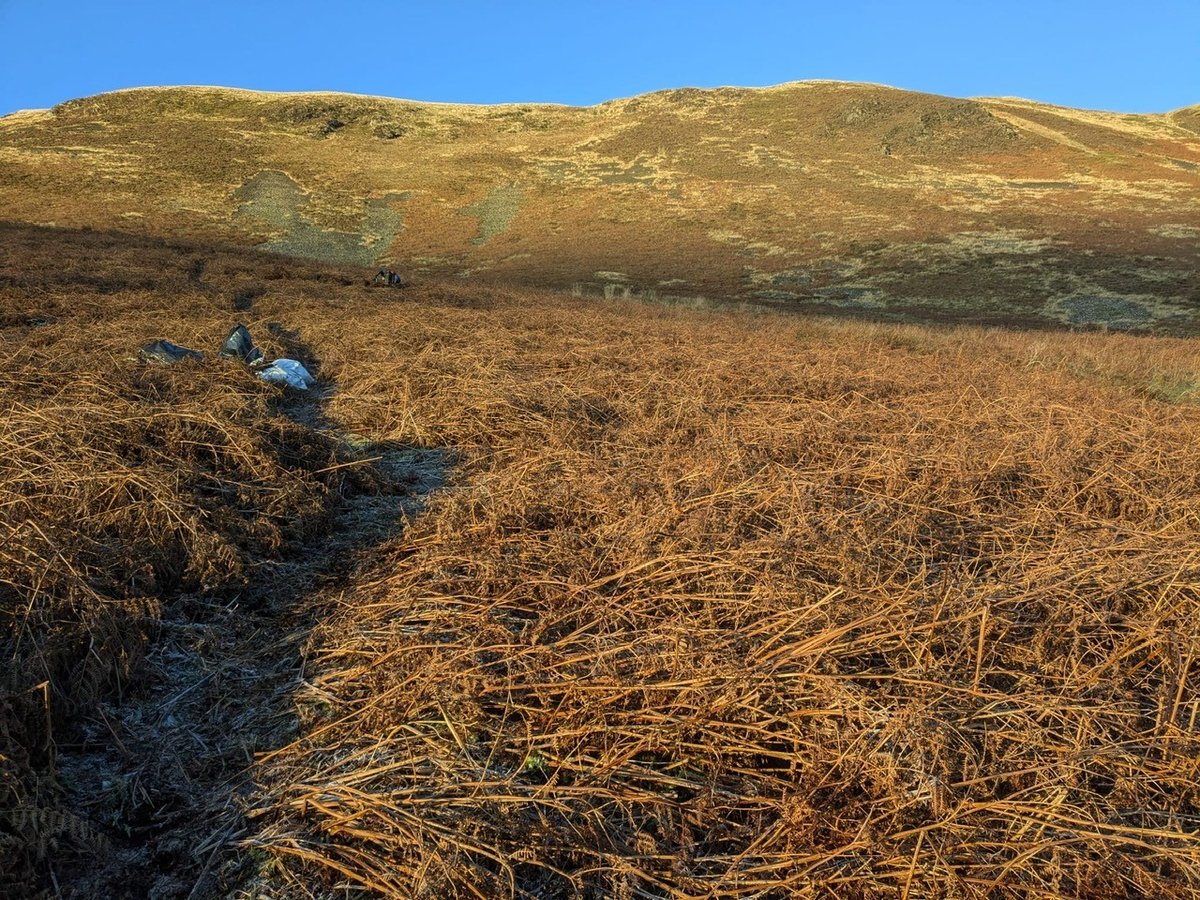
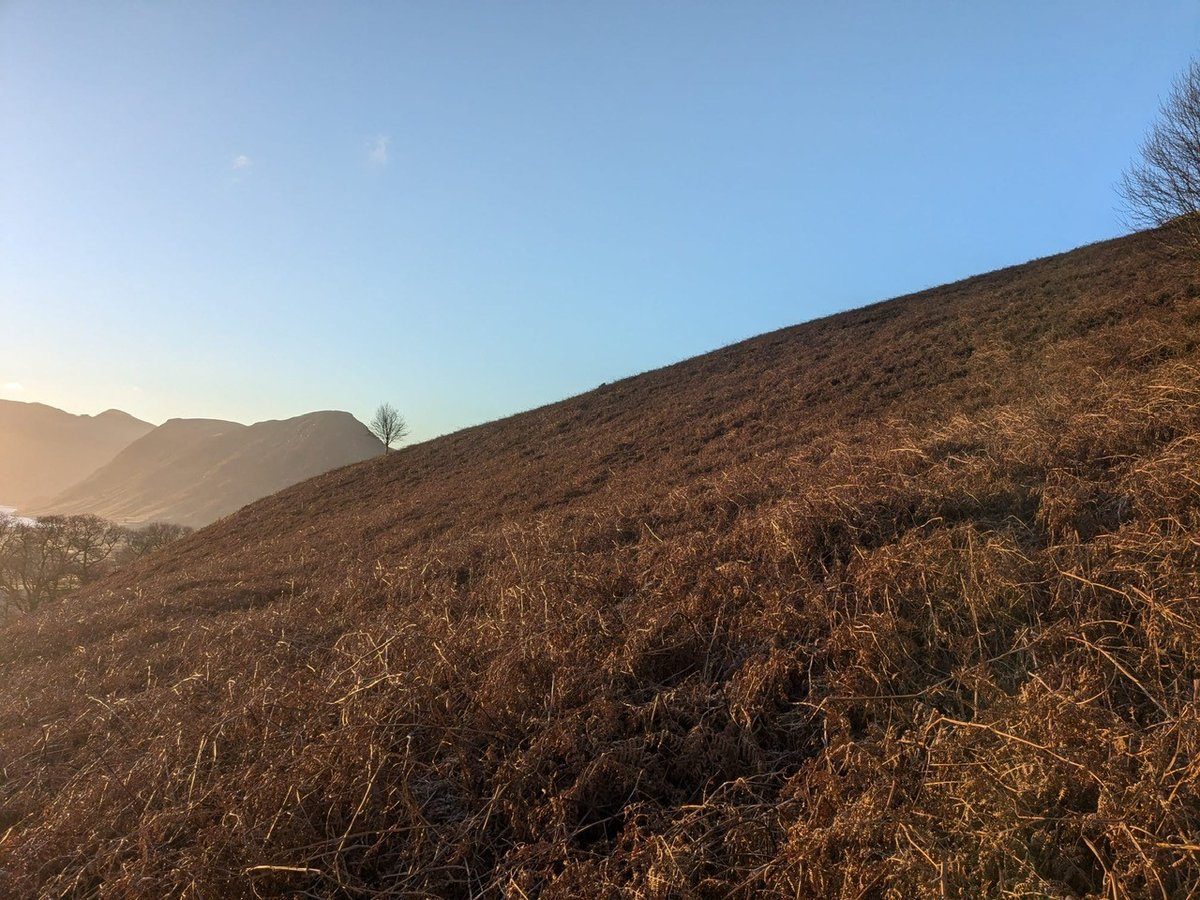
Landscape view of Low Fell

Sally Phillips bought Low Fell in the Lake District through her company Buy Land Plant Trees. The land sits above Loweswater on the western fringes of the Lakes and has a summit just under 1,400ft (427m).

A woodland has been created and about 275,000 trees have been planted so far, with a patchwork of different habitat types. Protect Earth contributed 10,000 trees to the effort after other funding sources dried up.

Species Planted

  • Goat Willow
  • Rowan
  • Wild Cherry
  • Bird Cherry
  • Hawthorn
  • Hazel
  • Alder
  • Downy Birch
  • Sessile Oak
  • Crab Apple
  • Silver Birch
  • Holly
  • Aspen

Site Updates

  • Survival Survey

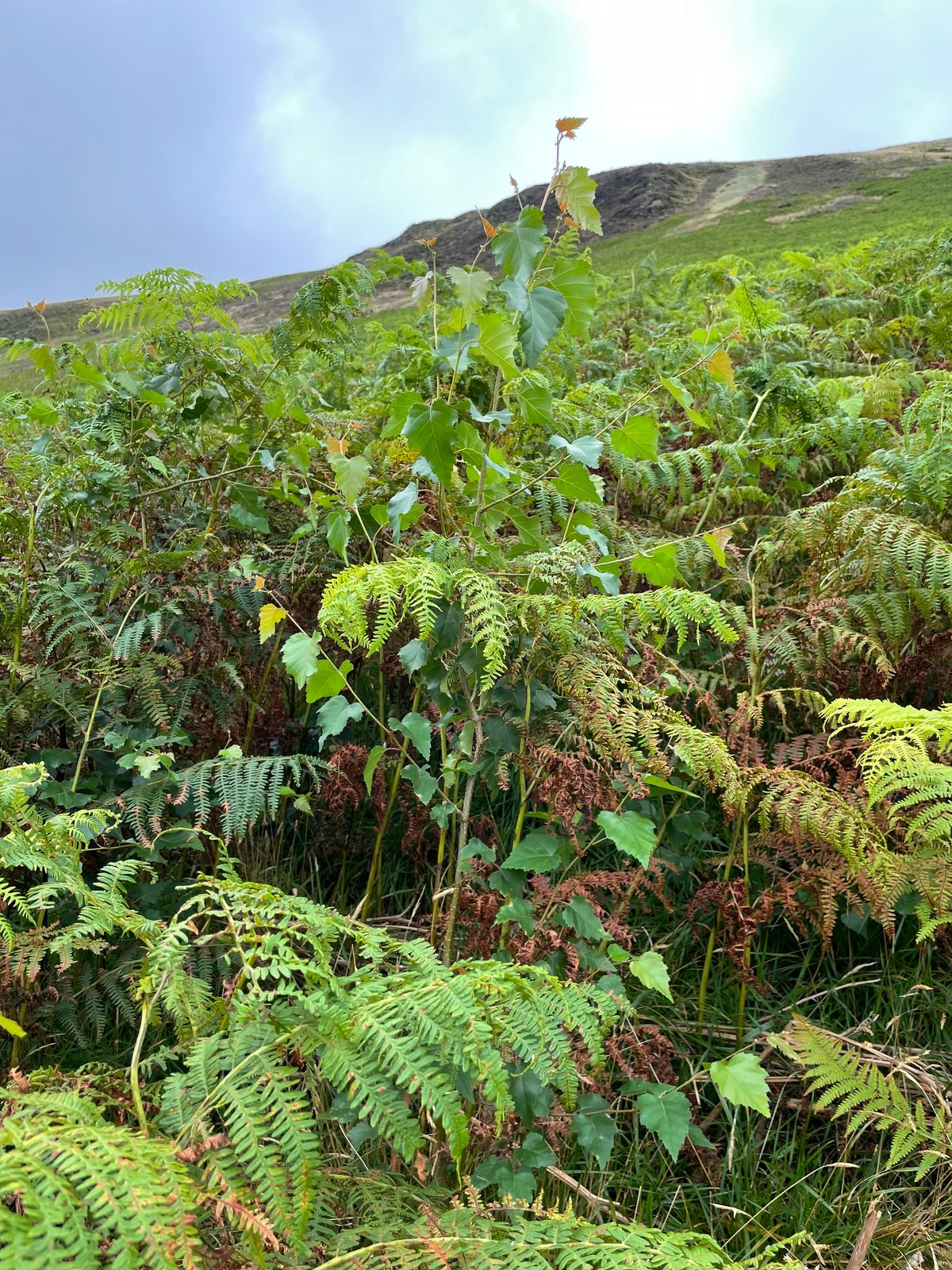
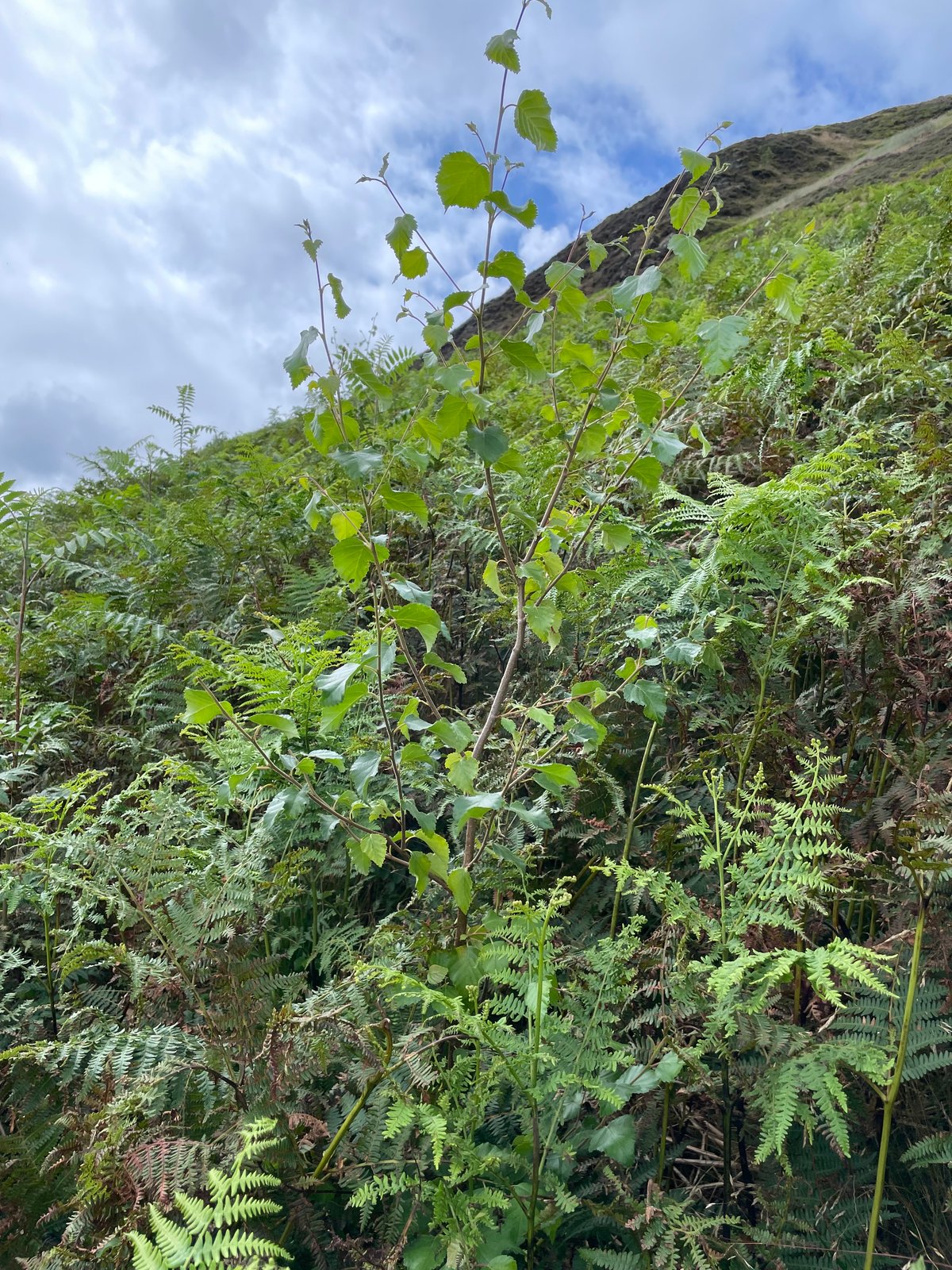
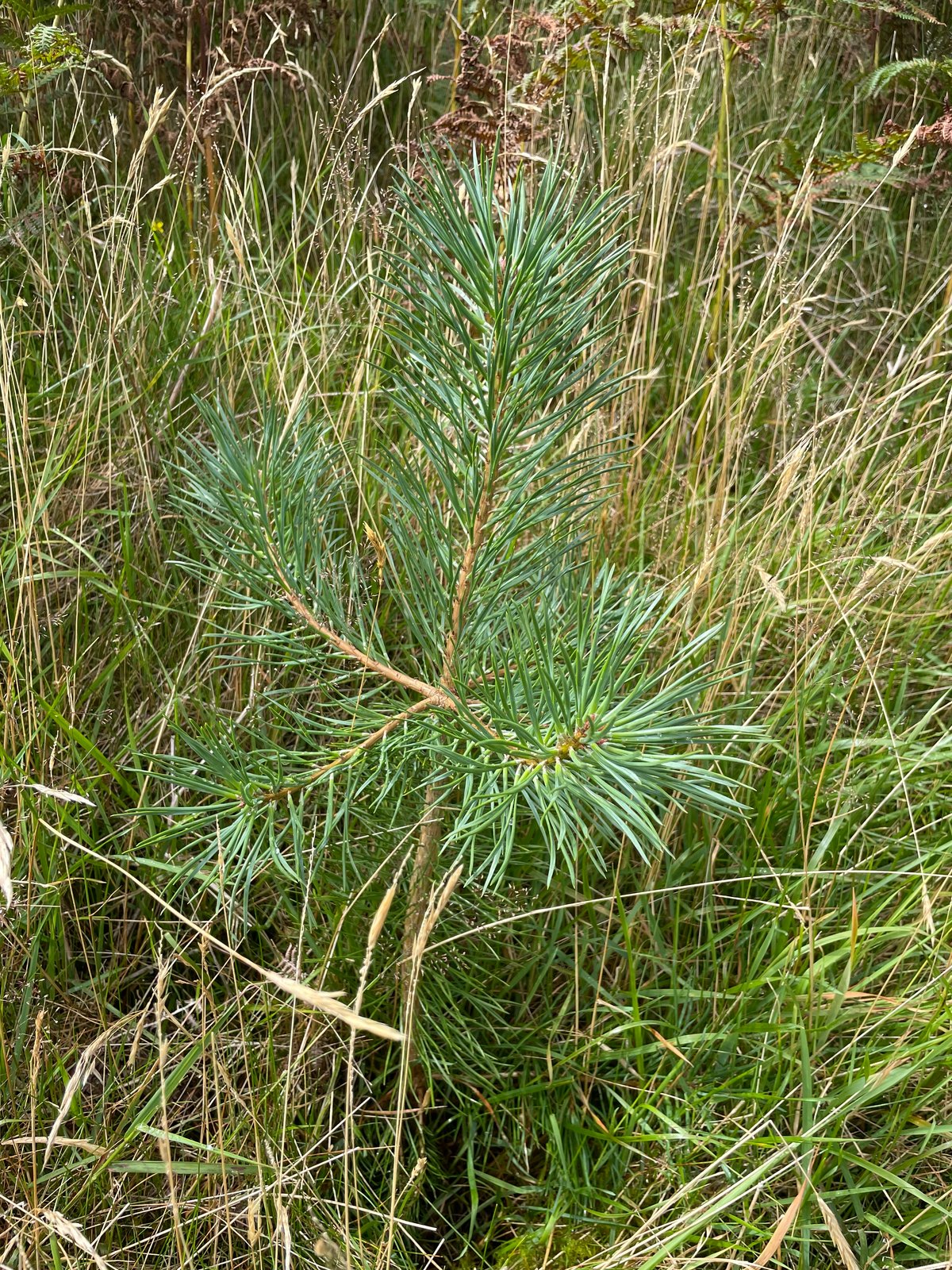
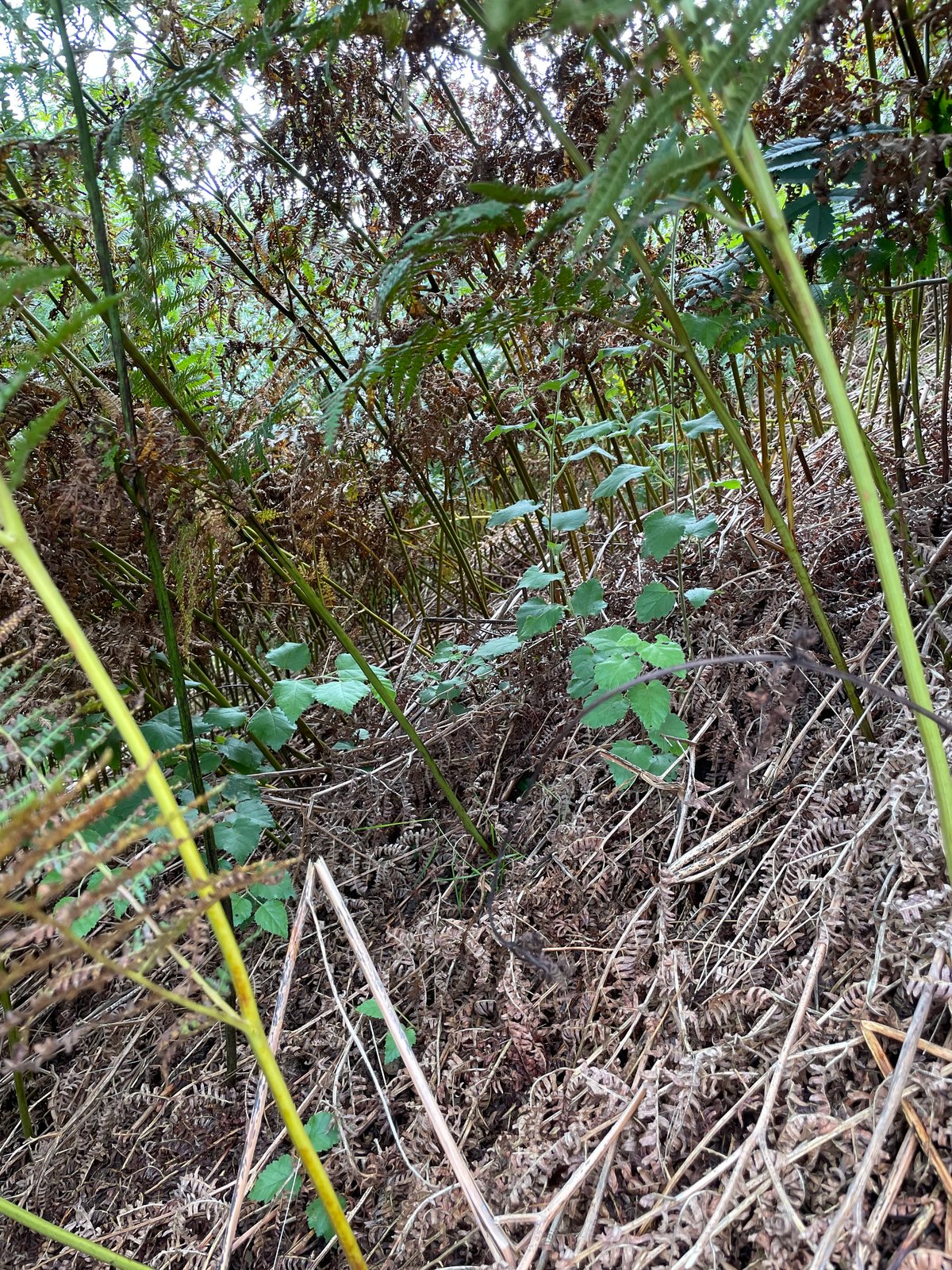
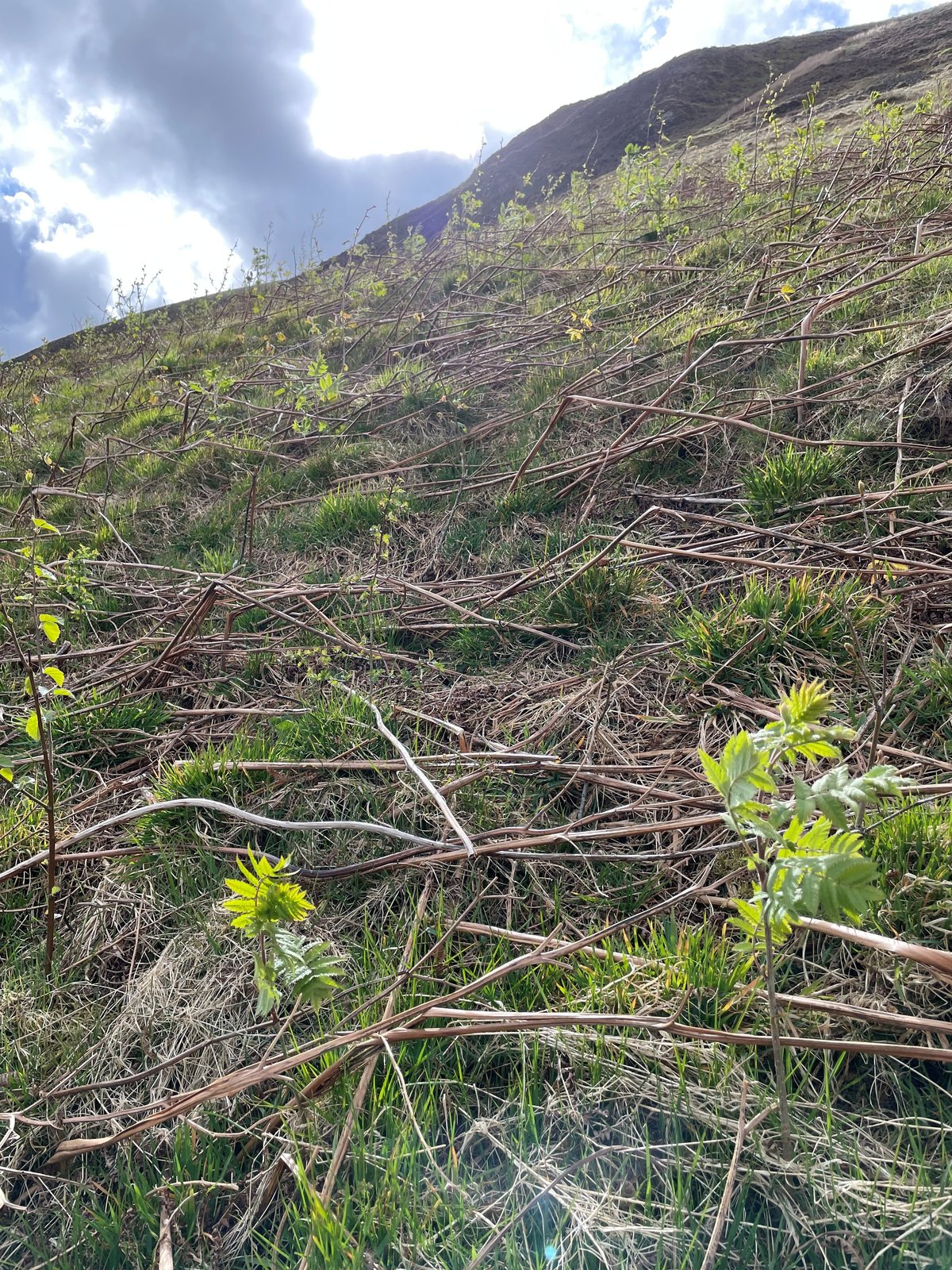
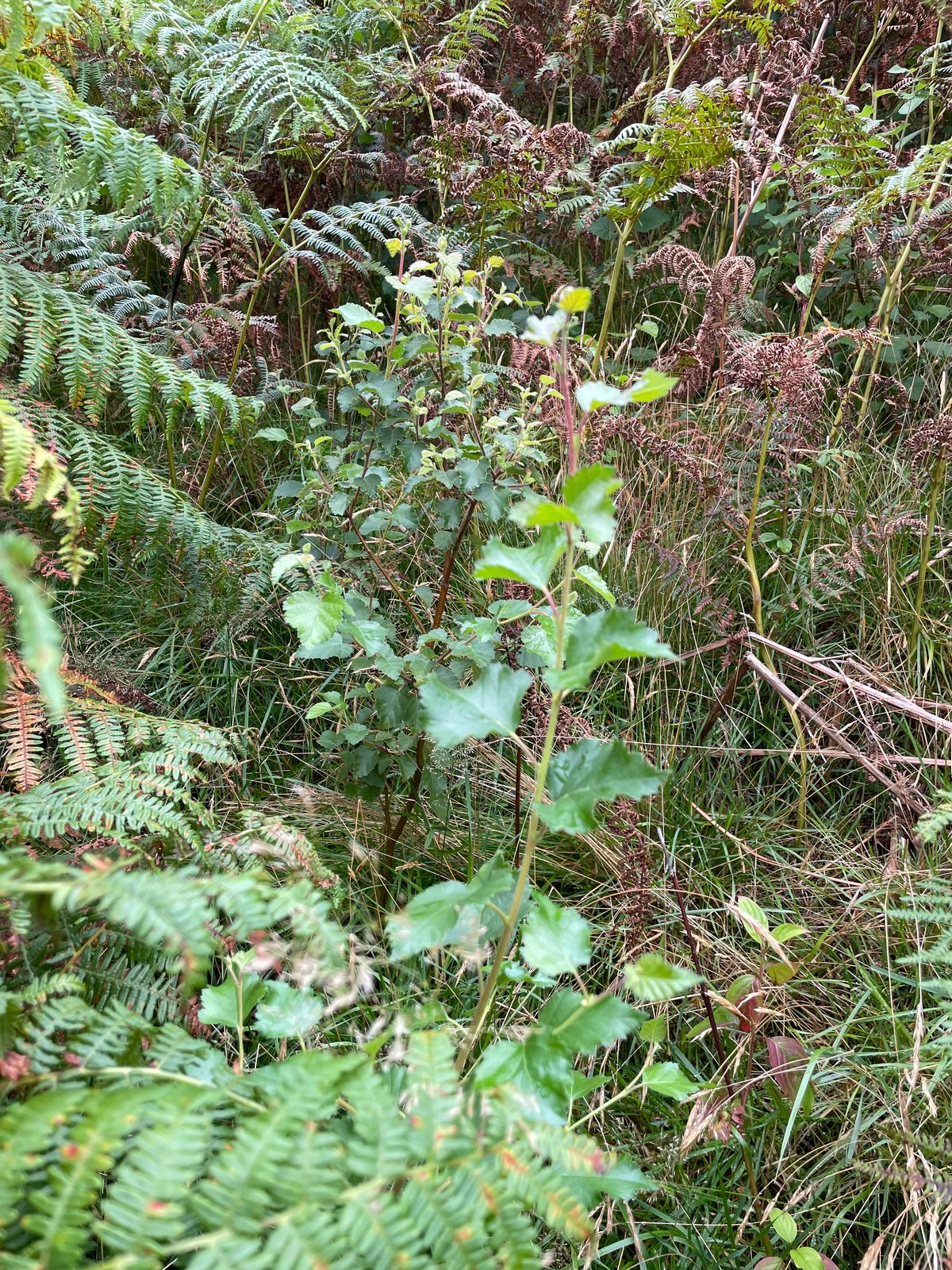
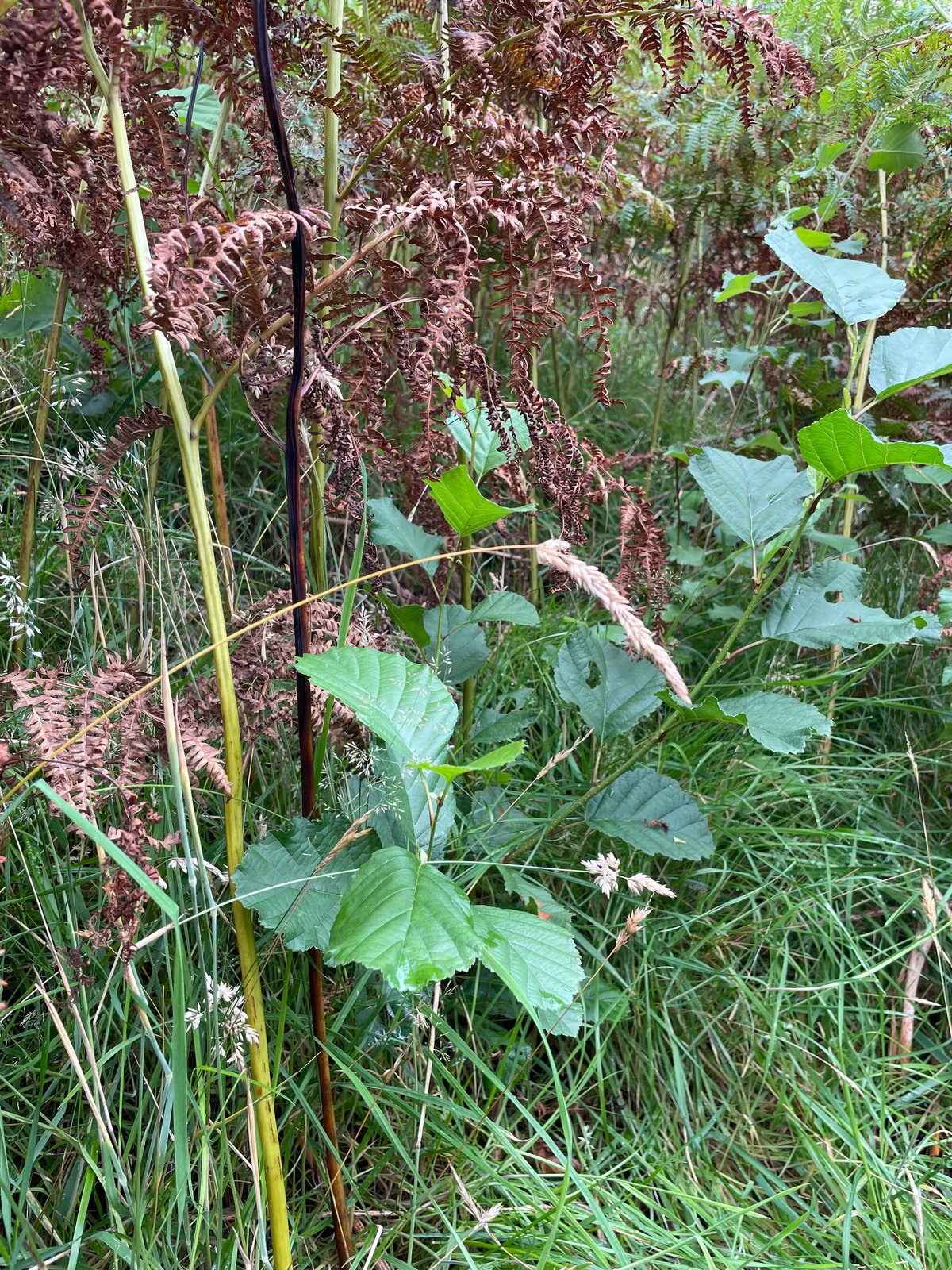
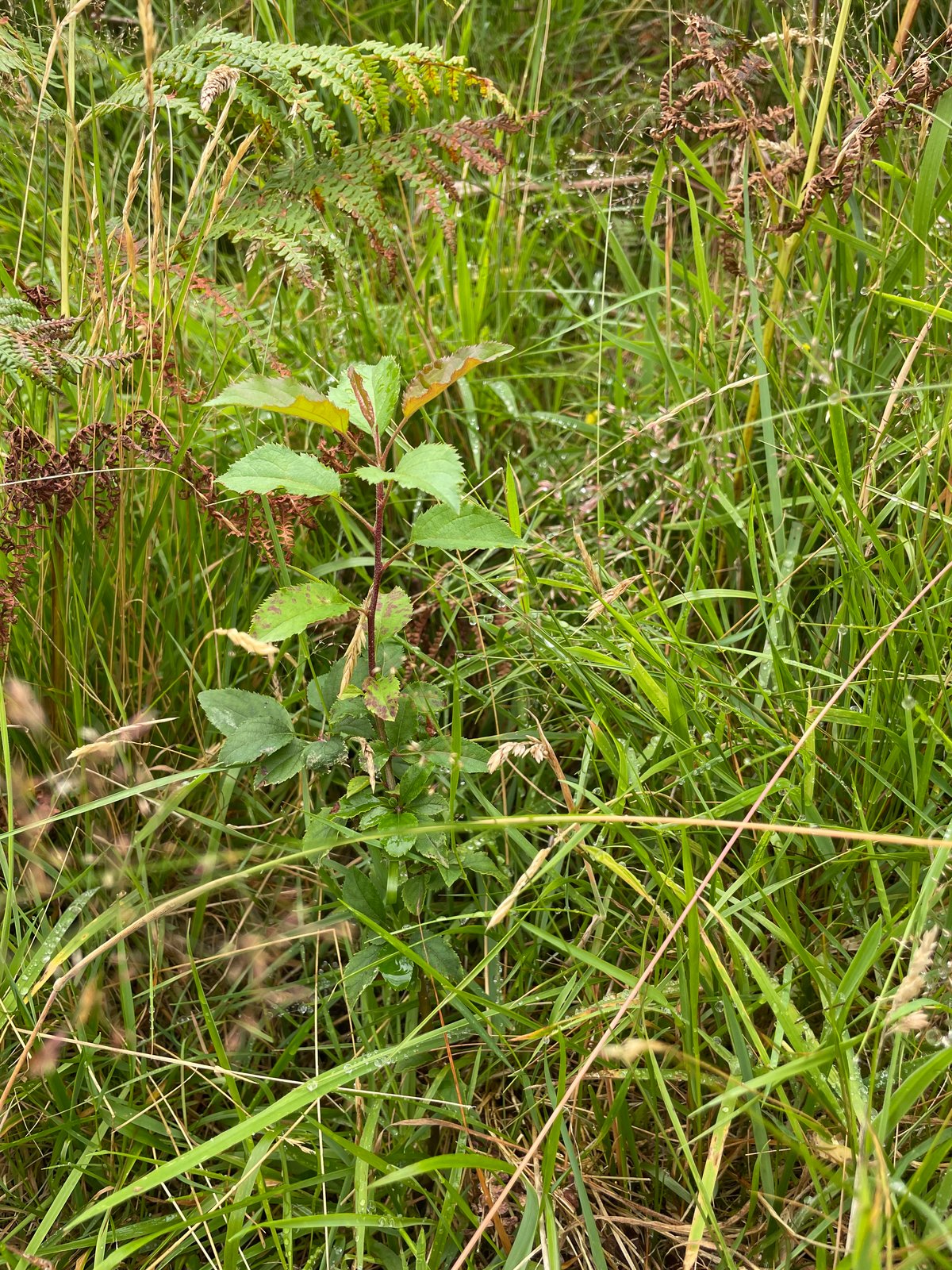
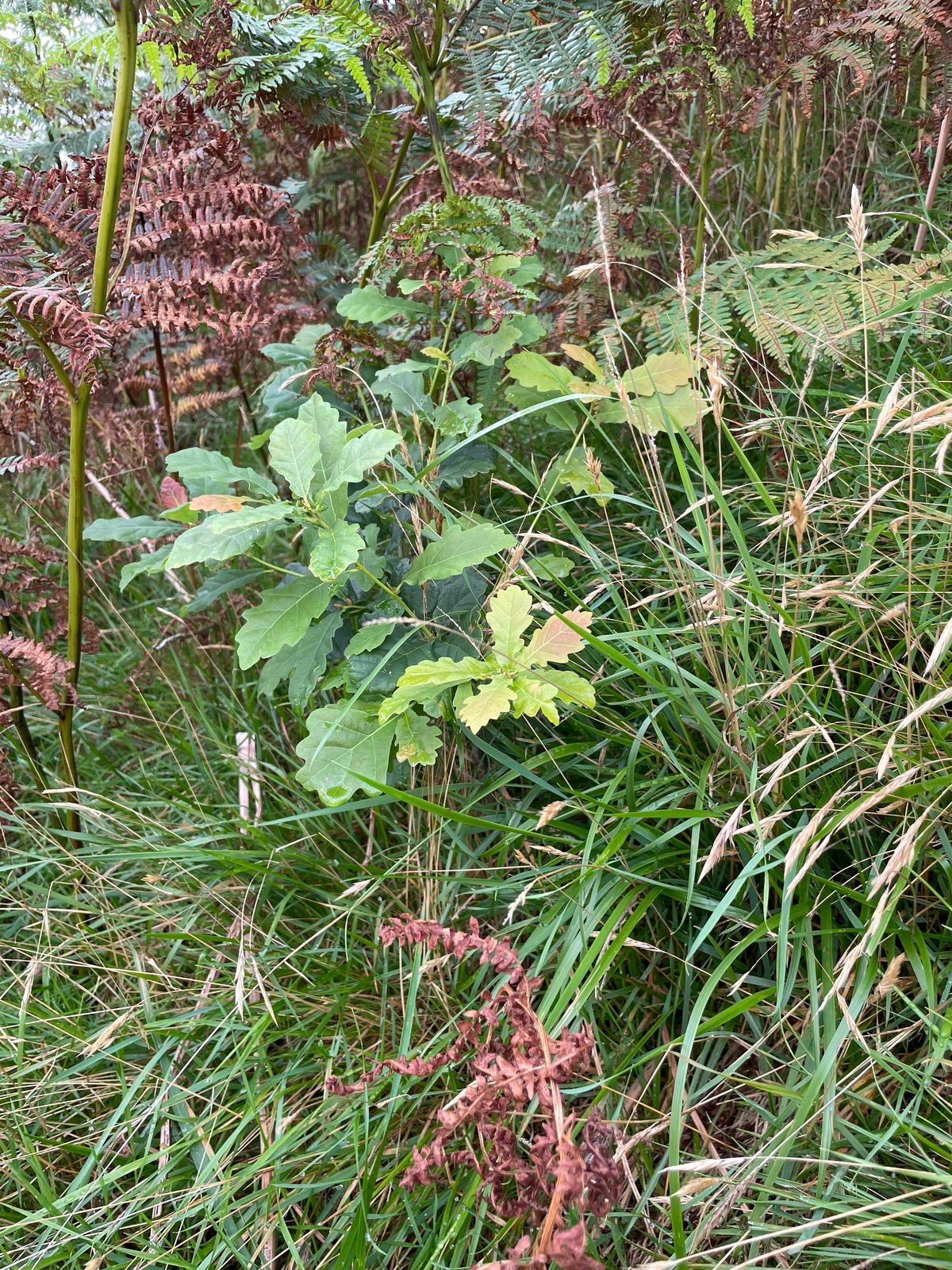
The landowners checked the saplings after the earlier drought, and most of the trees were fine. There was some drought shock, but a lot of them have been re-growing from from the roots in previous years and there’s reason to believe these few that were struggling will do the same. Most of them were fine, but with the bracken so high in summer checks will need to be done in early Spring.

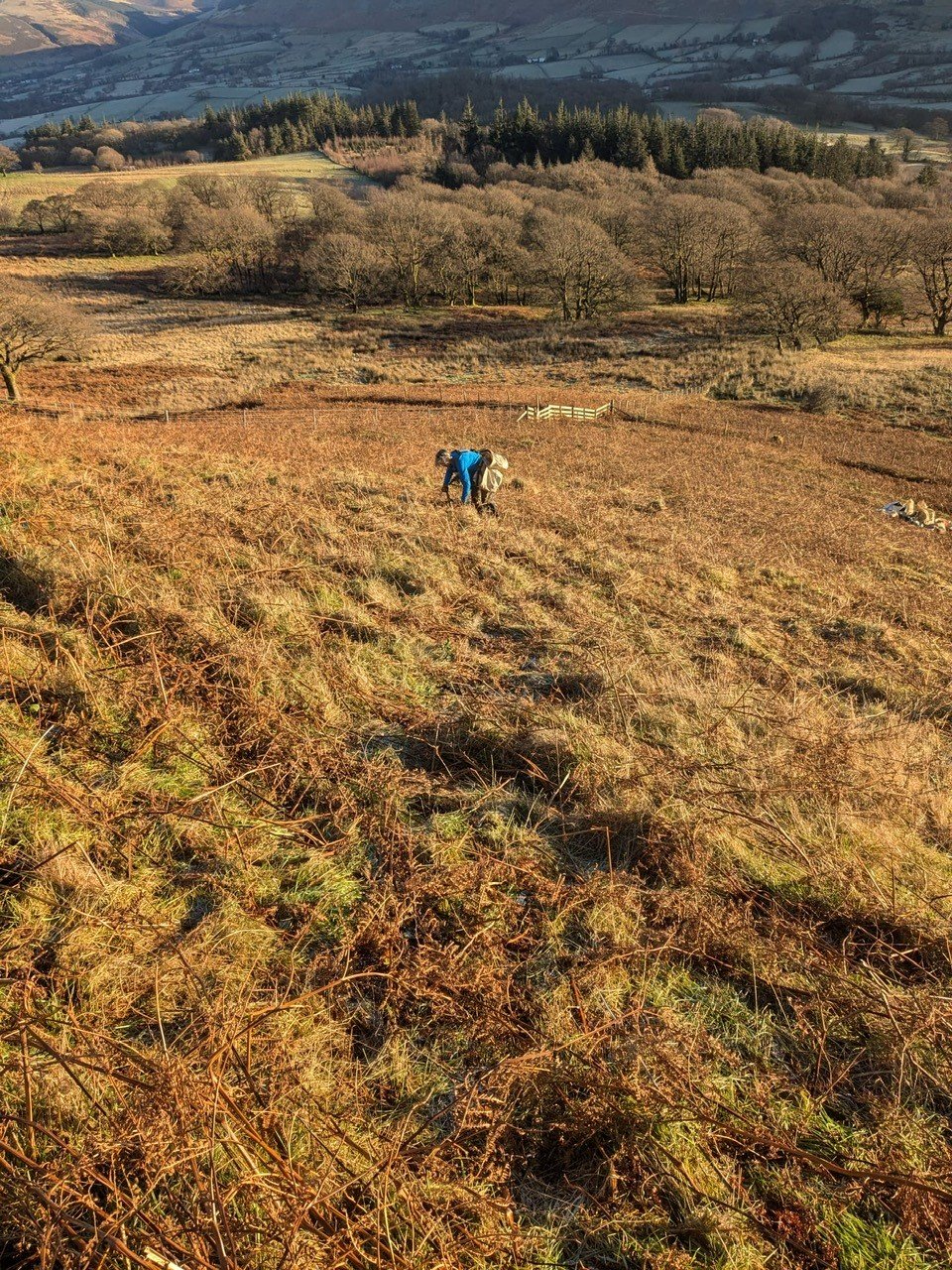
Phil went to check them, fighting through bracken and can confirm. It was impossible to find anything in this huge valley, and getting around it was even harder, so with two wet feet Phil decided to come back and search another day.

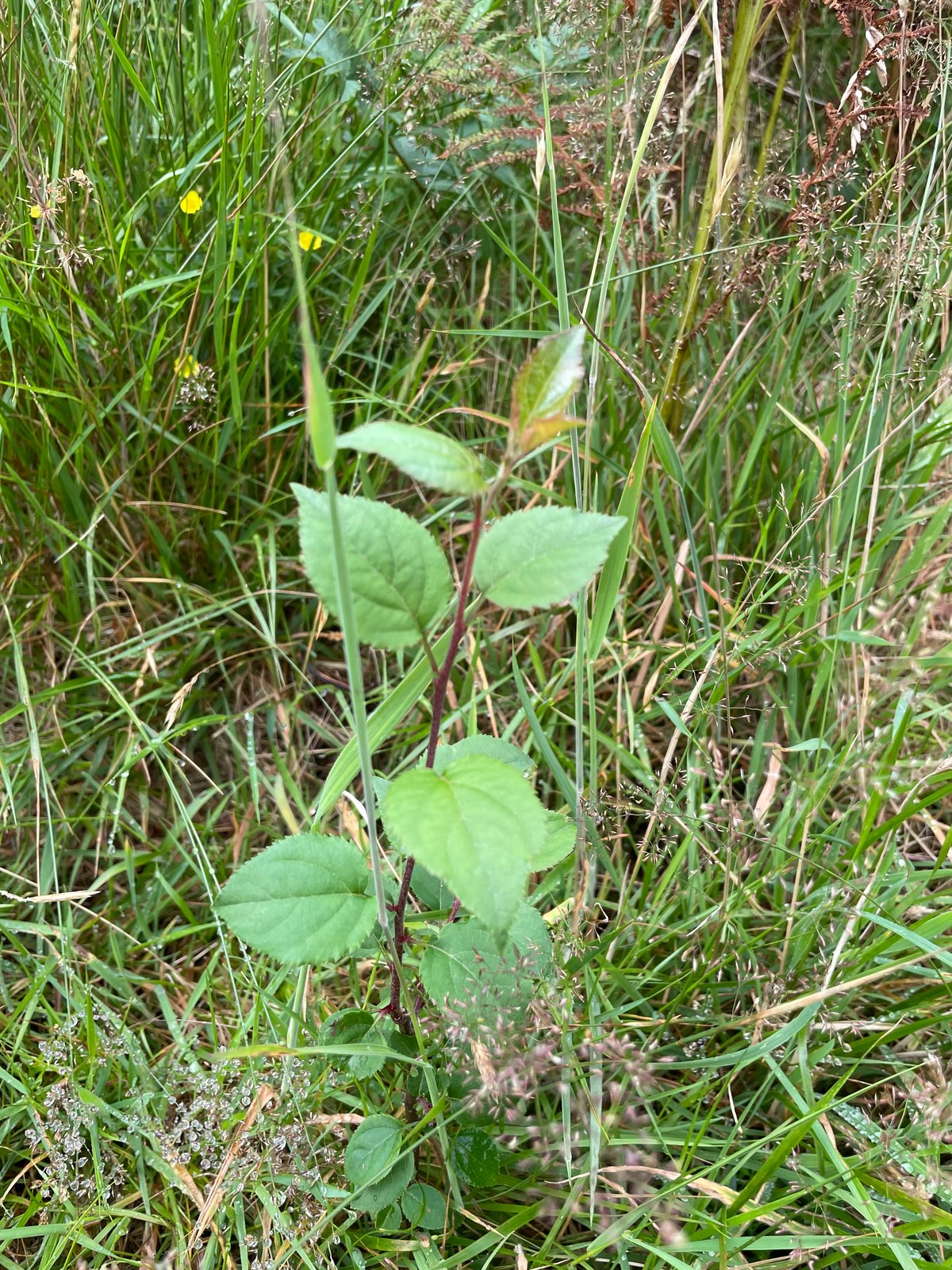
The team actually popped back a few weeks later and said: There were around 5 dead cell-grown aspen that had been planted in the grass, which evidently dried out more than the bracken area. These were the only dead trees we saw. Others that had been drought stressed and dropped their leaves still had live stems, and a number had sprouted new growth from the base.”
  • Tree Planting
  • 10,000 trees planted

Low Fell is a huge and fascinating woodland creation project in the spectacular Lake District of northwest England. Large swathes of these northern hills were once wooded before intense grazing pressures altered the natural woodland cycle of this area. The current state of the land is very poor for agriculture; overgrazed, upland hill country, that should be covered in a variety of hardy native broadleaf trees and shrubs but has been over grazed. It's currently an ecologically degraded and botanically poor ecosystem dominated by a limited number of grass and rush species and bracken.

The plan here – which is well underway – is to reforest the hills with hundreds of thousands of trees for the climate, for wildlife and for people (much of the area is open access land).

We became a part of this wonderful initiative by donating 10,000 trees towards the project. We sent the bare root whips as soon as possible in November so that their tree planters could get them into the ground as soon as possible, giving the trees the best chance to become established during the winter months. They were planted without stakes and guards for a more natural appearance.

Site Location

Help Protect Earth - Take Action Now

Volunteer

Help us create and maintain new woodlands, hedgerows and wildflower meadows! We need volunteers to sow seeds, plant saplings, clear invasive plant species and pick up litter. No qualifications necessary; jobs for all ages and abilities. Come and turn climate anxiety into climate action!

Fund Our Work

With government funding for reforestation and rewilding tenuous, we increasingly rely on our amazing community to keep us growing regardless of political shifts. Help Protect Earth continue to restore ecosystems and improve biodiversity across the country.

Support the Land Fund

Help us put down roots! Your donations to our Land Fund let us seize the moment when the perfect piece of land comes up for sale. Every penny helps us secure community woodlands, healthier ecosystems, and a greener future for generations to come.